7 Common Mistakes People Make When Booking Entertainment for a Private Event
Planning a private event often looks simple from the outside. Most people focus on the guest list, catering, décor, and venue before realizing how much the entertainment can impact the overall experience. Whether it is a birthday party, corporate gathering, wedding reception, holiday party, or private celebration, entertainment usually determines the energy of the event more than any other element.
One of the biggest mistakes event organizers make is waiting too long to think about entertainment. By the time they begin looking at options, availability may already be limited, pricing may increase, or the entertainment may no longer align with the event itself.
At Seattle Entertainment Group, we work with clients across private events, corporate functions, casinos, concerts, and festivals, and many of the same issues appear repeatedly during the booking process. Here are some of the most common mistakes people make when booking entertainment for a private event and how to avoid them.
Waiting Too Long to Book Entertainment
One of the most common mistakes is assuming entertainment can be secured at the last minute. In reality, many quality bands, DJs, tribute acts, and specialty performers book months in advance, especially during busy seasons like summer, holidays, and wedding season.
Waiting too long often limits options and can force organizers to compromise on quality, pricing, or style of entertainment. Popular acts typically receive inquiries well before the event date, particularly for weekends and peak event months.
Booking early allows more flexibility with scheduling, production planning, and entertainment selection. It also gives organizers enough time to properly coordinate logistics with the venue and other vendors.
Why Booking Timing Matters More Than Most People Realize
Underestimating Production and Space Requirements
Many people book entertainment before confirming whether the venue can properly support it.
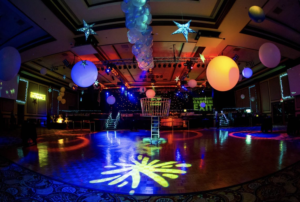
Live bands may require staging, power access, sound systems, lighting, green rooms, and loading access. Even DJs may need specific setup areas, electrical requirements, or production accommodations depending on the event layout.
Some venues also have sound restrictions, setup limitations, or strict load-in schedules that affect entertainment planning. Failing to coordinate these details early can create unnecessary stress leading into the event. Production logistics should always be discussed before confirming entertainment.
Focusing Only on Price
Budget is always important, but choosing entertainment solely based on the lowest price can create larger problems later.
Lower-cost entertainment may lack:
- professional experience
- quality equipment
- crowd engagement skills
- reliability
- proper communication
- production support
Entertainment directly affects guest experience. A poor DJ, unprepared band, or unreliable performer can impact the overall atmosphere of the event regardless of how much effort went into the rest of the planning.
Experienced entertainment professionals typically understand event pacing, audience interaction, timing coordination, and contingency planning in ways less experienced performers may not. The cheapest option is not always the most cost-effective once guest experience is considered.
Sponsorships Often Influence Entertainment Decisions
Sponsorships play a major role in fair entertainment planning.
Corporate sponsors may help fund:
- concert stages
- family entertainment zones
- beer gardens
- VIP sections
- free stage programming
- fireworks displays
In many cases, sponsorship support helps fairs secure larger acts that would otherwise exceed budget limitations. Sponsors also benefit from entertainment because high-profile performances increase attendance and improve brand visibility during the fair.
This relationship between sponsors and entertainment has become increasingly important as production costs, artist fees, travel expenses, and labor costs continue rising across the live event industry.
Assuming All Entertainment Is the Same
Many people underestimate the difference between experienced entertainment professionals and inexperienced performers.
A seasoned DJ understands how to read a crowd and adjust pacing throughout the night. An experienced live band understands stage presence, audience interaction, professionalism, and event coordination. Specialty performers understand timing, production needs, and guest engagement.
Entertainment is not just about music — it is about managing atmosphere and creating memorable experiences for guests.
The best entertainment professionals know how to adapt when timelines shift, technical issues arise, or audience energy changes unexpectedly. That level of experience often becomes one of the biggest differences between an average event and a successful one.
Ignoring Contracts and Technical Details
Another major mistake is failing to carefully review contracts, riders, timelines, and technical requirements.
Entertainment agreements often include important details regarding:
- setup times
- performance length
- deposits
- overtime fees
- cancellation policies
- technical requirements
- hospitality expectations
Miscommunication around these details can create avoidable issues close to the event date.
Professional entertainment planning involves more than simply booking an act. Clear communication between organizers, venues, production teams, and performers helps prevent scheduling conflicts and logistical problems.