The Real Timeline Behind Booking a Concert
When people see a concert announcement on social media, it often feels like everything came together overnight. An artist is announced, tickets go on sale, and the countdown begins. In reality, most concerts begin taking shape months—sometimes more than a year before the public ever hears about them.
From researching artists and negotiating contracts to coordinating production and launching marketing campaigns, there are countless moving pieces behind every live performance. Whether we’re working with a casino, theater, fair, festival, or corporate venue, successful concerts depend on careful planning long before opening night.
It Starts with Finding the Right Artist
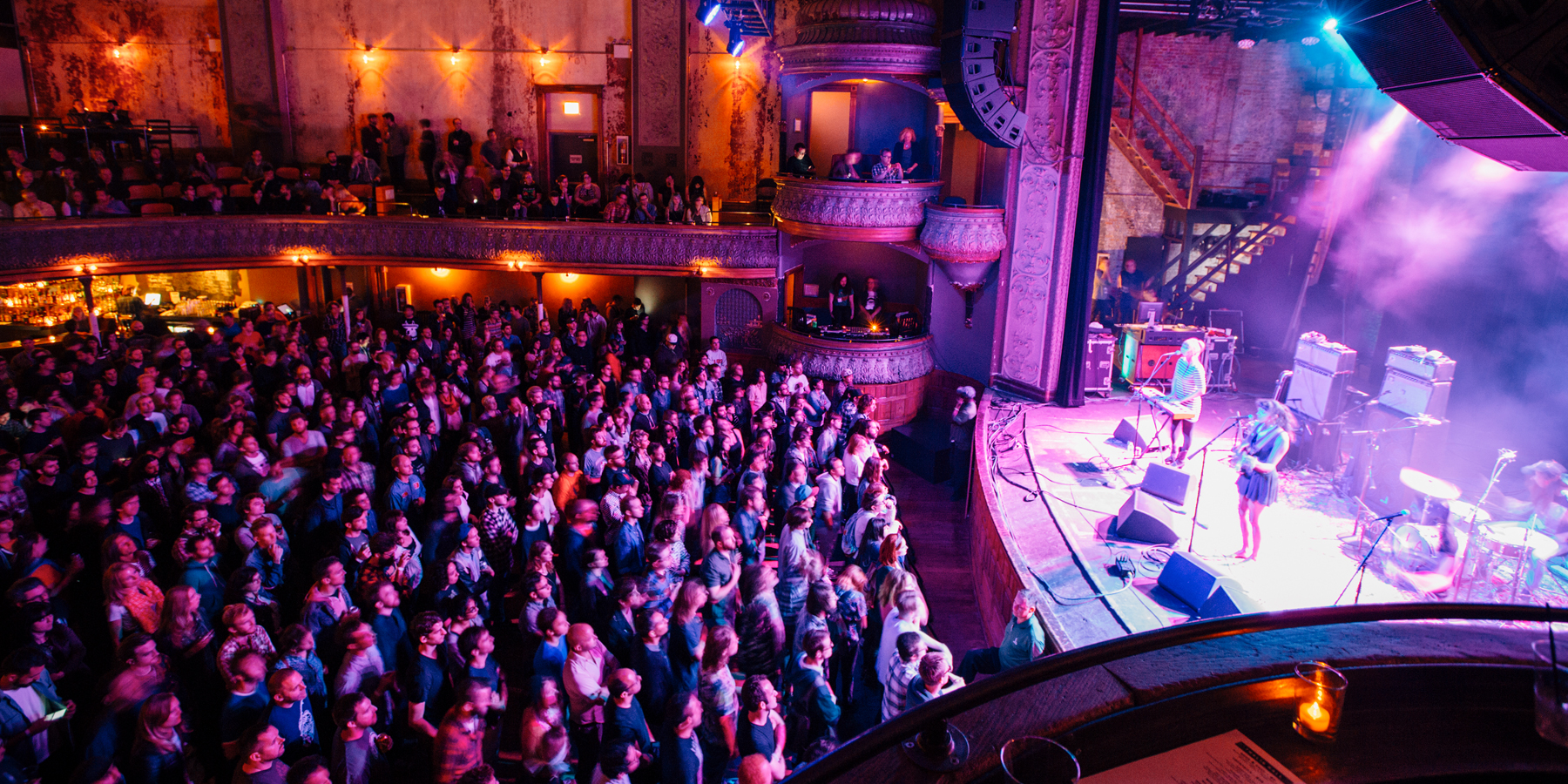
Every successful concert starts by identifying the right act for the venue and audience. While popularity is certainly a factor, it isn’t the only consideration. We also look at venue capacity, audience demographics, previous ticket sales, seasonal demand, artist routing, and the client’s overall goals.
For example, a 1,200-seat theater may benefit from an artist with a loyal regional following, while a casino showroom may prioritize performers who appeal to their player database. The objective isn’t simply to book the biggest available name—it’s to find the artist who creates the strongest overall event.
Casinos Are More Than Gaming Destinations
Over the past several decades, casinos have shifted toward becoming comprehensive entertainment venues rather than businesses focused solely on gambling.
Modern guests increasingly look for experiences that combine dining, nightlife, concerts, hospitality, and social activities. This trend is especially noticeable among younger demographics, who often place significant value on entertainment and other non-gaming experiences when deciding where to spend their time and money.
As a result, casinos have expanded their investments in:
- Live music
- Comedy shows
- Festivals
- Restaurants
- Hotels
- Nightlife
- Special events
These offerings help create a more complete guest experience while encouraging longer visits and repeat business.
Availability Comes Before Negotiations
Once we’ve identified potential artists, the next step is determining whether they’re actually available.
Most national touring artists work through booking agencies that manage their live performance schedules. Before pricing is even discussed, we first verify that the artist is available and that the proposed date fits naturally within their touring schedule.
Routing plays a major role in this process. If an artist is already performing in nearby cities, adding another stop may be much easier than scheduling a standalone performance that requires additional travel and production costs.
This is also why starting early matters. Waiting until every other event detail is finalized often means the best artists have already committed to other dates.
Offers and Contracts Take Time
Many people assume booking an artist is as simple as agreeing on a price. In reality, negotiations involve much more than the performance fee.
Once an offer is submitted, discussions may include production requirements, performance length, hospitality, travel arrangements, payment schedules, promotional expectations, and venue logistics. Depending on the artist and event, multiple rounds of revisions may take place before both parties reach an agreement.
Only after these terms are finalized can contracts be executed and the event officially confirmed.
Because several organizations are often involved—including venues, talent agencies, management teams, and production staff—this stage frequently takes longer than people expect.
Production Planning Begins Immediately
As soon as the contract is signed, attention shifts to production.
Every concert requires detailed coordination to ensure everything runs smoothly on show day. This includes staging, lighting, audio systems, backstage accommodations, staffing, security, parking, load-in schedules, and technical requirements.
Many touring artists provide technical riders that outline everything needed for their performance. These documents specify stage dimensions, sound equipment, lighting needs, dressing rooms, catering, and other production details.
According to the International Entertainment Buyers Association (IEBA), successful live events rely on careful coordination between buyers, venues, production teams, and artist representatives throughout the planning process
Marketing Starts Earlier Than Most People Think
Once the show is officially confirmed, marketing begins.
Most venues don’t simply announce an event and hope people buy tickets. Marketing plans are developed well in advance and often include social media campaigns, email marketing, digital advertising, local media outreach, sponsorships, and ticket presales.
The timing of an announcement can significantly influence ticket sales. Launching promotions too early may reduce momentum before the show, while announcing too late can limit awareness.
Finding the right balance helps maximize attendance while building excitement leading up to the event.
Every Department Has a Role
One reason concerts take months to organize is because so many teams are involved.
Booking agencies coordinate artist schedules.
Venues prepare staffing and operations.
Production teams organize technical requirements.
Marketing departments promote the event.
Ticketing teams manage sales.
Hospitality staff prepare for artist arrivals.
Security teams coordinate guest safety.
Although attendees only experience a few hours of entertainment, dozens of professionals may spend months preparing for a single performance.
Flexibility Is Part of the Process
Even with careful planning, live events rarely follow a perfectly straight path.
Artists occasionally adjust routing, production requirements change, weather impacts outdoor events, and schedules shift throughout the planning process.
Because of this, flexibility and communication remain essential throughout every stage of concert planning. Having experienced professionals coordinating these changes helps minimize disruptions while keeping the event moving forward.
Why Planning Ahead Makes a Difference
One of the biggest advantages of beginning the booking process early is having more options.
Early planning provides greater flexibility when selecting artists, negotiating routing opportunities, coordinating production schedules, and launching marketing campaigns. It also gives venues more time to build anticipation and prepare every aspect of the guest experience.
Waiting until the last minute often limits artist availability, increases costs, and creates unnecessary pressure during the planning process.
Whether you’re organizing a casino concert, theater performance, corporate event, or festival, giving yourself enough lead time is one of the best investments you can make.
Ready to Start Planning Your Next Concert?
Whether you’re looking for concert booking services, casino entertainment booking, live entertainment consulting, or an experienced event talent buyer, our team can help guide you through every stage of the process—from artist research and negotiations to production coordination and event execution.
Learn more by visiting our website and explore how we can help bring your next live event to life.