How Washington State Fairs Book Entertainment
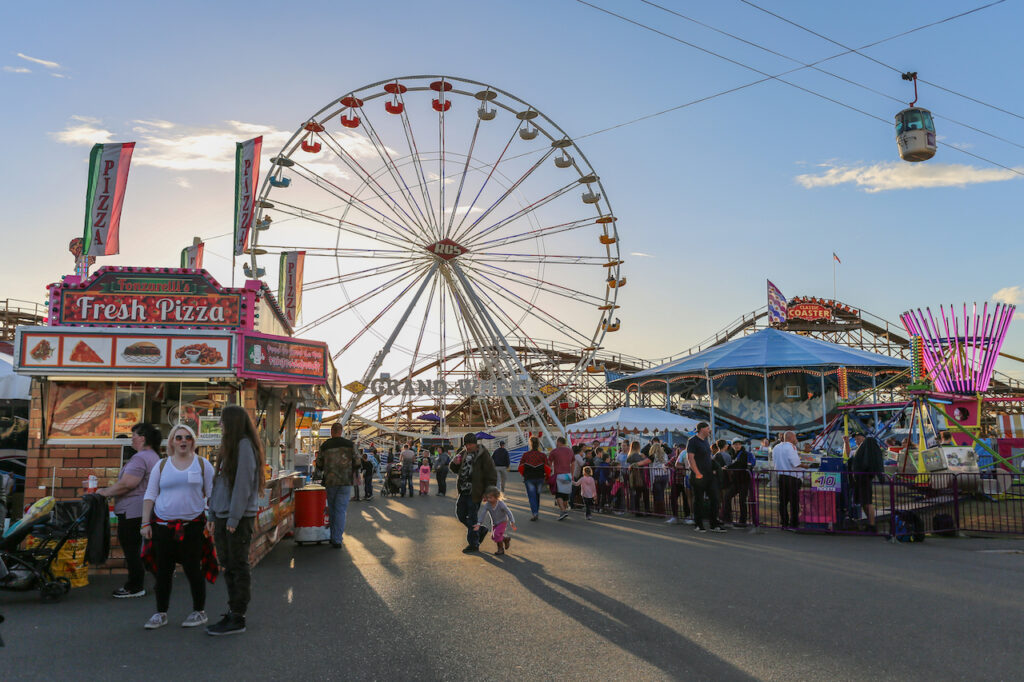
Washington state fairs are known for bringing together agriculture, live music, food vendors, carnival rides, community events, and family entertainment into one large-scale experience. While guests often focus on the concerts, stunt shows, and stage performances, most people never see the amount of planning required to book entertainment for a fair season.
From county fairs to large-scale events like the Washington State Fair in Puyallup, entertainment booking is a year-round process involving budgeting, scheduling, audience research, routing, sponsorships, production planning, and community engagement.
At Seattle Entertainment Group, we work with live entertainment across multiple event types, including fairs, festivals, casinos, concerts, and community events. Here is a closer look at how Washington state fairs typically approach entertainment booking and what goes into building a successful fair lineup.
Entertainment Is One of the Biggest Drivers of Attendance
For many fairs, entertainment is one of the primary factors that influences attendance. While agriculture and community exhibits remain the foundation of Washington fairs, live entertainment helps attract broader audiences and increase repeat attendance throughout the event run.
Large fairs often balance multiple entertainment categories at once. This may include:
- national touring artists
- tribute acts
- local bands
- comedy acts
- stunt shows
- family attractions
- roving entertainers
- cultural performances
- community stage acts
The goal is not simply booking the biggest artist possible. Fair organizers usually focus on creating programming that appeals to a wide demographic range across several days of operation.
Many Washington fairs operate as multi-generational events, meaning organizers must consider children, families, young adults, and older attendees when selecting entertainment.
According to the Washington State Department of Agriculture, fairs continue to serve as major community gathering spaces throughout the state, attracting millions of attendees annually. Entertainment plays a major role in maintaining that attendance and keeping guests on-site longer
Booking Starts Months Before the Fair Opens
Most fair entertainment is booked far earlier than many people realize. In many cases, organizers begin discussing entertainment for the following year shortly after the current fair ends. Larger fairs may begin securing headlining acts six to twelve months in advance, especially for summer touring seasons when artist availability becomes competitive.
Booking early allows fairs to:
- secure routing-friendly dates
- negotiate better pricing
- coordinate sponsorship opportunities
- plan marketing campaigns
- avoid conflicts with nearby fairs and festivals
Touring schedules heavily influence fair bookings. Artists performing through the Pacific Northwest often route multiple fairs and festivals together to reduce travel costs and maximize efficiency.
Because of this, fair buyers and entertainment agencies spend significant time coordinating available dates between artists, venues, and regional events.
Budget Determines the Type of Entertainment
Entertainment budgets vary dramatically depending on the size of the fair.
Larger fairs with major attendance numbers may allocate substantial budgets toward nationally touring artists and major productions. Smaller county fairs often focus more heavily on regional acts, tribute bands, family entertainment, and community performers.
In Washington, many fairs operate within carefully managed public or nonprofit budgets, which means entertainment decisions are heavily tied to projected attendance, sponsorship revenue, ticket sales, and operational costs.
This is why fairs often build layered entertainment schedules rather than relying entirely on one headlining performer. A fair may combine:
- one or two major concerts
- local music stages
- free roaming entertainment
- cultural programming
- community performances
This approach spreads entertainment across the fairgrounds while helping maximize guest engagement throughout the day.
The Washington State Fair entertainer application page shows how fairs separate community performers from paid entertainment acts, helping organizers build multiple tiers of programming simultaneously.
Fairs Focus Heavily on Audience Demographics
Unlike standalone concerts, fairs must program entertainment for extremely broad audiences.
A fair may attract:
- families with children during the daytime
- teens and young adults at night
- country music fans
- classic rock audiences
- community groups
- agricultural exhibitors
- tourists
- local residents
Because of this, variety becomes extremely important.
Many Washington fairs intentionally mix entertainment styles throughout the event. One night may feature country music, while another focuses on rock, Latin music, comedy, or family entertainment.
Tribute acts also remain extremely popular at fairs because they provide recognizable music at more manageable price points than major touring artists. Check out the tribute listing page that we have provided on Seattle Entertainment Group’s website.
For smaller fairs, local talent is also an important part of the entertainment strategy. In fact, Washington State Department of Agriculture fair evaluation guidelines specifically reference the use of local entertainment within fair programming.
This balance between nationally recognizable entertainment and community involvement helps fairs maintain strong regional identity while still attracting large crowds.
Sponsorships Often Influence Entertainment Decisions
Sponsorships play a major role in fair entertainment planning.
Corporate sponsors may help fund:
- concert stages
- family entertainment zones
- beer gardens
- VIP sections
- free stage programming
- fireworks displays
In many cases, sponsorship support helps fairs secure larger acts that would otherwise exceed budget limitations. Sponsors also benefit from entertainment because high-profile performances increase attendance and improve brand visibility during the fair.
This relationship between sponsors and entertainment has become increasingly important as production costs, artist fees, travel expenses, and labor costs continue rising across the live event industry.
Production and Logistics Are Major Factors
Booking entertainment involves far more than simply signing a contract.
Fair organizers must also coordinate:
- staging
- audio systems
- lighting
- security
- artist hospitality
- parking
- backstage operations
- crowd management
- scheduling
- weather contingencies
Outdoor fairs create additional challenges because production teams must account for changing weather conditions, large crowds, and rapid stage turnovers between performances.
Events like the Washington State Fair Event Center emphasize the importance of experienced operations staff and event coordination in managing large-scale events successfully.
For multi-day fairs, logistics become even more complicated because multiple entertainment acts may rotate through different stages across several weeks.
Why Fairs Continue Investing in Live Entertainment
Live entertainment remains one of the most effective ways for fairs to create memorable guest experiences.
Concerts, stage performances, stunt acts, and community entertainment help transform fairs from simple exhibitions into full-day entertainment destinations.
In Washington, fairs continue serving as major seasonal traditions that combine agriculture, community involvement, and live entertainment into one experience. According to the Washington State Department of Agriculture, fairs attracted millions of visitors statewide in recent years, highlighting their continued importance within local communities.
As the live entertainment industry continues evolving, fairs are increasingly balancing national acts, regional talent, family attractions, and immersive guest experiences to remain competitive and relevant.
Booking entertainment for Washington state fairs is a complex process involving budgeting, logistics, audience research, production planning, sponsorship coordination, and long-term scheduling. Successful fairs understand that entertainment is not just about filling a stage — it is about creating an experience that keeps guests engaged throughout the event.
From nationally touring artists to local community performers, fairs carefully build entertainment lineups designed to appeal to broad audiences while supporting the traditions that make fair season unique across Washington. At Seattle Entertainment Group, we work with entertainment booking for fairs, festivals, casinos, corporate events, and live productions throughout the Pacific Northwest and beyond.